Mexico City: A Blend of Ancient History and Modern Flair in the Heart of CDMX
- SEANWICHES

- Oct 18, 2024
- 2 min read
Updated: Sep 26, 2025

Nestled in the Valley of Mexico, Mexico City, or CDMX, stands as a living testament to centuries of history, culture, and reinvention. From its beginnings as the Aztec capital of Tenochtitlan to its role today as one of the world’s most dynamic cities, the story of Mexico City is layered, complex, and endlessly fascinating.
The story of Mexico City begins nearly 700 years ago, in 1325, when the Mexica, better known as the Aztecs, founded their capital city of Tenochtitlan on an island in Lake Texcoco. Renowned for its grandeur and architectural marvels, including towering pyramids and intricate canal systems, Tenochtitlan quickly became the epicenter of the Aztec Empire, serving as a thriving hub of commerce, culture, and religious significance.
However, the fate of Tenochtitlan took a dramatic turn in 1521 when Spanish conquistador Hernán Cortés and his army, bolstered by alliances with indigenous groups like the Tlaxcalans, arrived in the Valley of Mexico. After a grueling siege that lasted from May to August, Tenochtitlan fell to the Spanish forces, marking the end of the Aztec Empire and the beginning of Spanish colonial rule in the region. The city was subsequently renamed Mexico City and became the capital of New Spain, a vast colonial territory that encompassed much of present-day Mexico, the southwestern United States, Central America, and the Caribbean.
Under Spanish rule, Mexico City flourished as a center of political power, trade, and cultural exchange, blending indigenous traditions with European influences to create a unique and vibrant urban landscape. Magnificent colonial architecture, such as the Metropolitan Cathedral, built on top of the ruins of the Aztec Templo Mayor, and the National Palace, still stand as testaments to this rich colonial heritage.
In the centuries that followed, Mexico City continued to evolve, experiencing periods of prosperity, turmoil, and transformation. From the tumultuous years of independence in 1821 and the Mexican Revolution of the early 20th century to the modern era of globalization and rapid urbanization, the city has remained a beacon of resilience and innovation. Mexico City has embraced its diverse heritage while looking to the future with open arms.
Today, Mexico City stands as a melting pot of cultures, cuisines, and perspectives, attracting travelers from around the globe with its intoxicating blend of ancient charm and modern flair. Visitors flock to explore its iconic landmarks, including the nearby ancient ruins of Teotihuacan, which predate the Aztecs and offer a glimpse into an even earlier civilization that once flourished in the region. Closer to the city center, vibrant street markets like La Merced, La Ciudadela, and Mercado de San Juan invite travelers to dive into the local culture through their bustling stalls filled with traditional foods, handcrafted goods, and lively atmospheres.


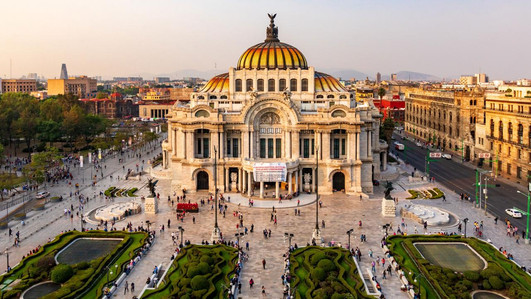


Mexico City’s world-renowned culinary scene, pulsating nightlife, and rich artistic heritage further enrich the experience for visitors, making it a city where the past and present coexist seamlessly. Whether you're indulging in tacos al pastor on a bustling street corner, admiring murals by Diego Rivera, or watching the sunset over Chapultepec Park, Mexico City offers an unforgettable journey through time and culture.
let curiosity lead the way

Comments